Showing posts with label Dorothy Young. Show all posts

Sunday, May 10, 2026

Pateron double reward in May

Every month, I offer my patrons a special reward as thanks for their support. This month, I'm offering a double reward. The first is the Third Quarter 1993 Mystifier newsletter as a searchable PDF. It's an interesting issue with an insightful article on Houdini's physical fitness routines by Zen Karate author Randall Bassett, the first printed interview with Houdini's assistant Dorothy Young, and even Houdini's horoscope! In addition, I'm offering a PDF of the 1994 Museum Catalog from the Houdini Historical Center. You see all the goodies one could get at the time.


As a reminder, on my Patreon, I offer exclusive content not found on this blog, including material from archives and private collections, as well as my latest historical findings. For example, I recently shared a translation from a 1901 Dutch newspaper interview in which Houdini offers details about his time as a locksmith's apprentice that I've never read before. But do we believe it? This one has sparked a lot of conversation in the comments.


As a patron, you will also receive thanks in my upcoming book, Handcuff King: The Conquests of Harry Houdini, 1900-1909, a special preview of that book, and an exclusive pre-order opportunity. That's all coming later this year. Oh, and you'll also be supporting all my Houdini work, which is the point of Patreon: supporting creators.

So if you are wild about Harry, joining my Patreon is a pretty good idea this year. And what better time than during a month with a double reward? So come hang with us!

Sunday, February 27, 2022

Something's missing

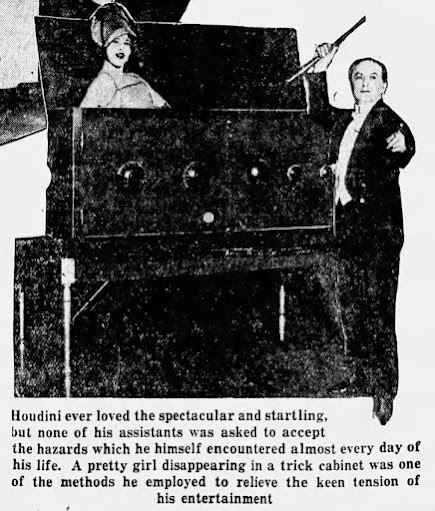
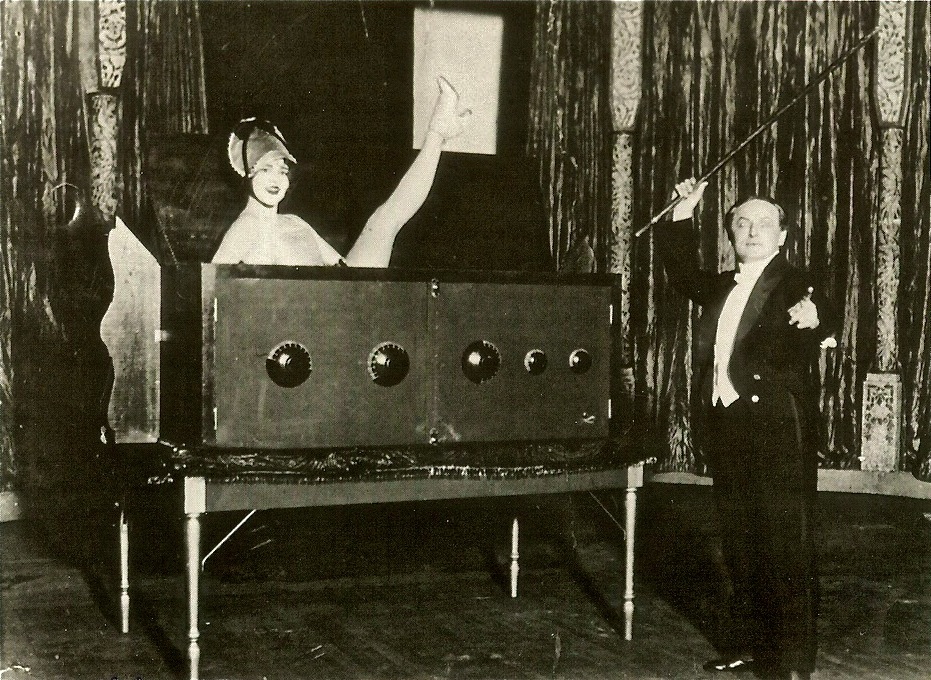
Let's cap our Weird Week with this weird one. Here is the famous photo of Houdini and Dorothy Young performing Radio of 1950 as it appeared in the Wichita Daily Times on December 5, 1926. When I first saw this I thought I had found a new image. There was something different about it. But I now realize it is the same image, just with something missing. Can you tell what that something is?


If you don't know, CLICK HERE to compare this to the familiar image.

So which photo should we believe? Was this image too sexy for Witchita and altered? Or was the more familiar photo altered to be made more sexy and what we have here is the original?

If you can tell me for sure, you'll win a Major Award.


Related:

Saturday, January 9, 2021

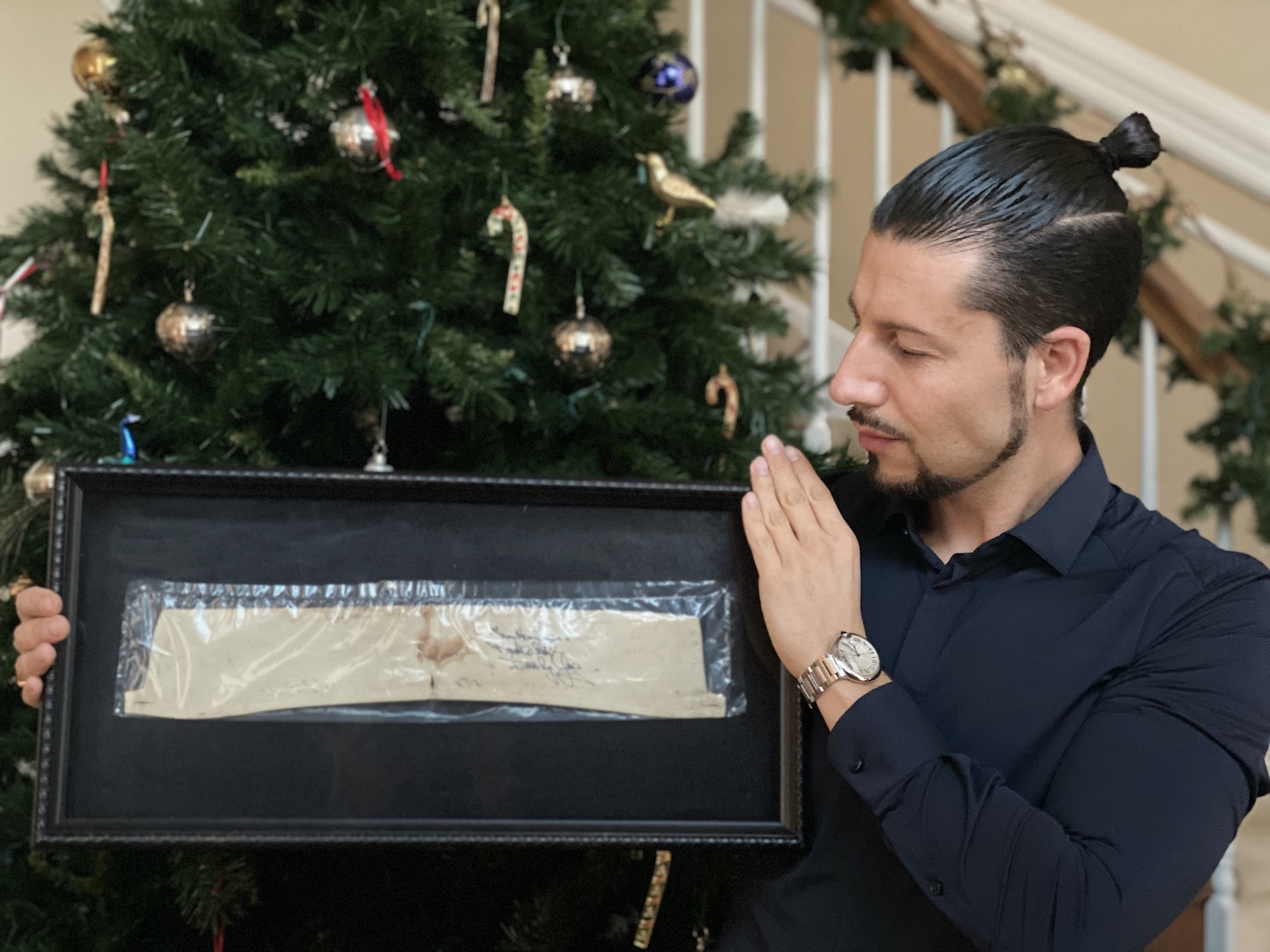
Andrew Basso now owns Houdini's tuxedo collar


World Champion Escape Artist Andrew Basso from The illusionists is now the owner of a true Houdini holy relic. It's a tuxedo shirt collar worn by Houdini himself (and maybe even the collar he wore during his final show). The collar has a sweat stain and is marked with Houdini's name. This is not a signature, but appears to have been written on the collar as an identifier, possibly for laundry. They collar is stamped: "Irish Linen Company Shirts, Collar Manufacturers" and shows a size of 16 1/2.

The shirt collar belonged to Sidney Radner who presumably aquired it from Hardeen. Recall that Hardeen preserved the pocket from the pajamas his brother wore during his final illness. That leads me to think this might have been the collar Houdini wore during his final show as it explains why Hardeen would have kept it among his mementos. But that's just speculation. Final show or no, it's still Houdini's collar, and that makes it magical!


For several years the collar was displayed at the Houdini Historical Center in Appleton, Wisconsin. Then in 2004, Sidney Radner put the collar up for auction along with the rest of his collection. The buyer was Geno Munari, owner of the Houdini's Magic Shop chain. Geno in turn sold it to magician Troy Milligan. At one point Troy had his close friend, Dorothy Young, Houdini's former assistant, sign the collar. Last year Troy felt it was time to pass the collar to a new owner, and Andrew answered the call! 

Andrew broke the news in an interview with Estrada ("The sexiest magician has the DNA of Houdini"). He says he currently has the collar hanging in his bedroom, but he has plans to send it to Washington D.C. to see if they can extract Houdini's DNA. (I've talked to Andrew and he's serious about this!) He will then have a special case made for it, and is also open to having it displayed in a public museum.

I first became aware of this collar when I saw it on display in Appleton. But once it sold at auction, it seemed to vanish. It's exciting to see it reemerge, and I'm very happy to see it land in the hands of Andrew Basso.

Saturday, January 11, 2020

The A&E Houdini Biography

For some reason I'm feeling nostalgic for the documentary Houdini: The Great Escape, which first appeared as part of the popular A&E Biography series in 1994. But this doc, which was once so ubiquitous, is now among the hardest to see (unless you held onto your VHS machine).

Launched in 1987, A&E's "Biography" series offered up hour long profiles of famous figures in history. The series was hosted by Peter Graves and later Jack Perkins. It took them a while to get to Harry, but they finally did so with Houdini: The Great Escape, first airing on June 20, 1994.

The documentary is well written by Alan Goldberg and is narrated by Jack Perkins. It includes interviews with Patrick Culliton, Harry Blackstone, Jr., James Randi, John Bohannon, Charles Reynolds, Penn & Teller, Mark Edward, Dorothy Young, and Marie Blood. It's especially nice to see Marie as she did not do many onscreen interviews. There's plenty of Houdini footage and photos to enjoy. It's also interesting to see Ken Silverman in the credits as this was well before the release of his book. The documentary was dedicated to Manny Weltman, "In memoriam for his extraordinary archive and love for Houdini." Manny had passed away a month before the first airing.

A&E released select episodes of Biography on home video in the 1990s, and Houdini was among the first. I always felt the photo they used on the box (above) was an odd choice--certainly they could have found something more iconic? But I was also happy for this odd choice as it was a pic I had never seen. And if there's anyone out there who collects VHS, know there was an earlier release with a plain purple box with just Houdini's name on the cover.


With many repeats on cable and the home video always in stock in big bookstore chains like Barnes & Noble and Borders, Houdini: The Great Escape was inescapable. I suspect for many it was their introduction to Houdini's (non-fictional) story. It was later revamped with new narration for the Biography Channel's "Bio 4 Kids" series.

But the doc did not make the jump to DVD, and as far as I know, it has yet to appear on any streaming platform. And while some of the Biography episodes can be found on YouTube, Houdini is not among them. So now seeing this classic documentary is a magic trick in itself.

Here's a bit of related trivia. In a May 1998 interview in Movieline magazine, actor Jim Carrey was asked, "If you could dine with any group of people who have been featured on A&E's Biography, who would you choose?"

Carrey's answer: "Harry Houdini. Benjamin Franklin. Gandhi, I suppose. Jesus."

Related:

Thursday, November 8, 2018

Mystifier, Third Quarter 1995

Continuing my issue by issue look back at the Mystifier, the newsletter of the Houdini Historical Center that ran from 1991-2003.


The Third Quarter 1995 Mystifier begins with an article by curator Benjamin Filene about Houdini's first partner Jacob Hyman and his continued use of the "Houdini" name during his own solo career. The matter came to a head in February 1903, as covered in the Springfield Republican:

The paper reported that Hyman, performing as "Houdini" had, as usual, challenged members of the audience to bring him handcuffs from which he would break free. When a pair was produced and locked onto his wrists, however, he could not extricate himself –– and for good reason. The handcuffs had been submitted by Dr. Leopold Weiss, Harry Houdini's brother. Weiss and his lawyer had come from New York expressly to foil Hyman. The Republican reported that Leopold "is said to have threatened to follow [Hyman] and bring him unopenable handcuffs until he drops the name Houdini."

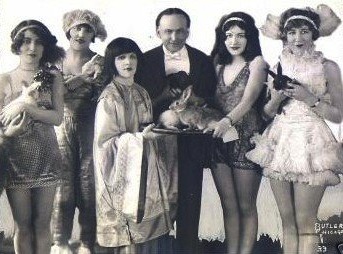
The newsletter continues with an article about Dorothy Young's appearance at the 57th Houdini Club of Wisconsin Convention, held that year in Appleton. It also includes a very nice photo of Houdini with Dorothy and his other females assistants in 1925 (one that I've not seen reproduced elsewhere).

Wisconsin researcher Larry Wilden returns with "sequel" to his terrific look at Houdini in Milwaukee from First Quarter '95 issue. This time Larry covers Houdini's appearances in the city in 1912 and 1923. But he also includes a terrific gem about Houdini's boyhood from a 1912 interview:

During his engagement, Houdini was the darling of the press, granting numerous interviews, and conducting tours of his boyhood haunts. He told reporters about stealing eggs with his brother Theo and cooking them over a makeshift fire on the roof of the Plankinton House hotel. He also recalled selling issues of the Milwaukee Sentinel featuring stories of the disastrous Newhall House fire in 1883.

A report on the production of a new Houdini documentary by Gene M. Gamache and Coyote Pictures follows. The crew came to Appleton to interview Dorothy Young. The Museum shop also announces a new "Free Houdini" puzzle created by the The Magic Box Company, and a Houdini Historical Center watch.

Sid opens his "Backstage" column reviewing the Houdini Club of Wisconsin Convention. He also shares an item from Variety about Ray Stark's big budget Houdini movie beginning production in Spring 1996. This news was submitted by yours truly, and Sid adds:

John, who has an insider's view of movie making, cautions that "all news of a Houdini movie must be taken with a grain of salt. I've been disappointed in the past." [And I was again.]

Sid then announces that the Official Houdini Seance will be held in Holyoke inside the very building that once housed a police station where Houdini broke out of manacles in 1895. (Sid always characterized this as Houdini's very first police challenge, but it was not.) He wraps up with the news that Ken Silverman is finishing up his biography with an eye towards a Fall 1996 release. "It will be the most definitive book ever written about Houdini, with lots of previously unknown information." True enough!

Mystifier
Volume 5, Number 3
Third Quarter, 1995
6 pages

Contents:
Other Houdini
Dorothy Young Unveils Houdini
Houdini's Return to Milwaukee
Houdini Documentary Filmed
Museum Shop
Backstage with Sid Radner


Related:

Wednesday, October 17, 2018

Mystifier, Second Quarter 1995

Continuing my issue by issue look back at the Mystifier, the newsletter of the Houdini Historical Center that ran from 1991-2003.


The Second Quarter 1995 Mystifier opens with the news that a collection of photographs, clippings, and letters related to Houdini's first performing partner Jacob Hyman was donated to the HHC by Joy U. Reynolds, Hyman's great-niece. (As this was not part of the Radner collection, presumably the material is still held in Appleton.) That's the good news.

The bad news is a report on the catastrophic fire at the Houdini Magical Hall of Fame in Niagara Falls on May 1, 1995. The newsletter gives a good accounting (better than press reports at the time) of what was destroyed:

According to fire inspectors' reports, the blaze began when rubbish containing cigarette butts smoldered and eventually caught fire. As of this printing, the damages have not been fully assessed. According to Hall of Fame owner and HHC Board Member Henry Muller, "It's hard to estimate the total losses. About two-thirds of the museum is still standing, but it's a question of relative value, since the Chinese Water Torture Cell and the secret message burned." [...] Another irreplaceable item lost was a one-of-kind leather straitjacket, which was made especially for Houdini and used in Scotland. Fortunately, many items such as picks, keys, handcuffs, packing cases, and several Blackstone and Thurston illusions survived the fire unscathed.

Dr. Morris N. Young then writes about meeting Dorothy Young, and how, on his suggestion, she painted a portrait of Houdini "as she has seen him in 1926." Dr. Young says the painting was donated to the HHC for display. I don't believe I've ever seen this, but would love to!

The newsletter also includes a report on rising attendance, and that David Copperfield has joined the HHC Board. Among the "New Members" listed is one John Cox. (What took me so long?)

Sid Radner devotes the first part of his "Backstage" column to the Hall of Fame fire. He says that a planned auction of several of the illusions housed at the museum will no longer go forward. He also writes that "the loss of the Water Torture Cell could present a fresh opportunity to lobby for  Houdini postage stamp featuring the cell."

Sid then notes that James Bond author John Gardner is a member of the HHC. He reports that the HHC was recently mentioned on Jeopardy!, and that Houdini's connection to Appleton was included in the April 4, 1995 New York Times crossword. He also announces the upcoming publication of "a very important limited edition book explaining how Houdini came to America", and that there will be a new restaurant chain similar to the Hard Rock Cafe with a Houdini/magic theme.

The book, Houdini Comes To America by Ronald J. Hilgert, appeared the following year. The restaurant never materialized.

Mystifier
Volume 5, Number 2
Second Quarter, 1995
6 pages

Contents:
Recent HHC Donations
Fire: Loss of Magic History
Center Attendance Up
Museum Shop
Copperfield on HHC Board
Backstage with Sid Radner


Related:
Thursday, June 14, 2018

Mystifier, Third Quarter 1993

Continuing my look back at Mystifier, the quarterly newsletter of the Houdini Historical Center that ran from 1991-2003.


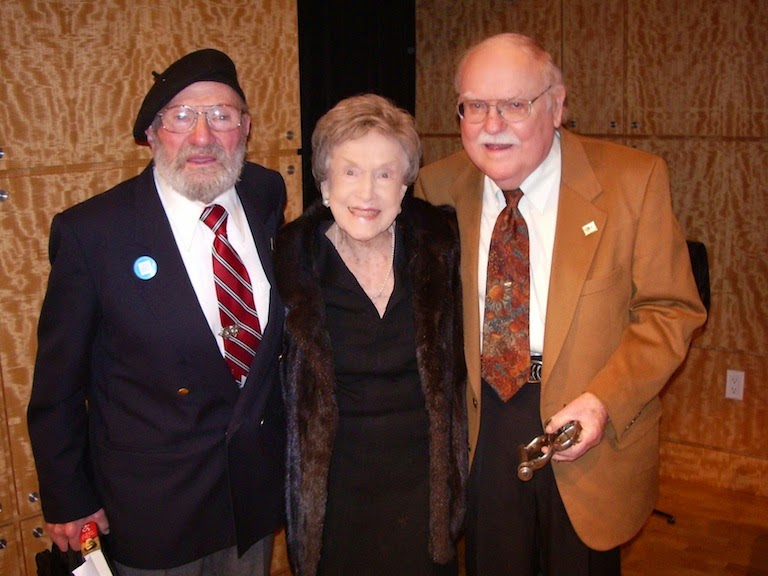
The Third Quarter 1993 Mystifier opens with a letter by Randall Bassett, author of Zen Karate (the previous issue contained an excerpt from the book), offering insightful speculation about Houdini's need to remain physically fit and his training regiment. It's a good letter and his observations seem spot on. For example:

From what I can gather, strength and endurance were critical to most of his spectacular effects. Early on, Houdini grasped that what audiences wanted to see was a struggle--a severe test of sorts in which he would emerge victorious or...die. Anything that looked easy or was not dangerous seemed to lack dramatic impact. I further believe that Houdini felt the best way to convince the audience of the veracity of his struggle was to make it a real one whenever he could do this and not give away the secret of an illusion. But this required, I believe, his certainty that his body could keep up with his mind. It always did.

Next up is a real treat and what in 1993 was a true game changer. It's an interview with Dorothy Young (referred to here as Dorthy Young Kiamie) who toured with the Houdini show in 1925. The interview is by Ken Silverman, who was working on his own Houdini biography as this time. Much of what the interview contains we are now familiar with, but there's a paragraph in which Dorothy mentions Bess and her smoking that feels new:

I never thought of Mrs. H. as being older. We were just pals. I had breakfast with her and spent my days with her, laughing and kidding. We'd buy clothes together; she liked clothing and was always charmingly dressed. She made all my costumes, too, using gorgeous materials and making the costumes very sexy. I remember that she smoked a lot. (Houdini didn't at all.) The doctor told her to stop, that she would live ten years longer. She said she'd rather enjoy the ten years smoking.

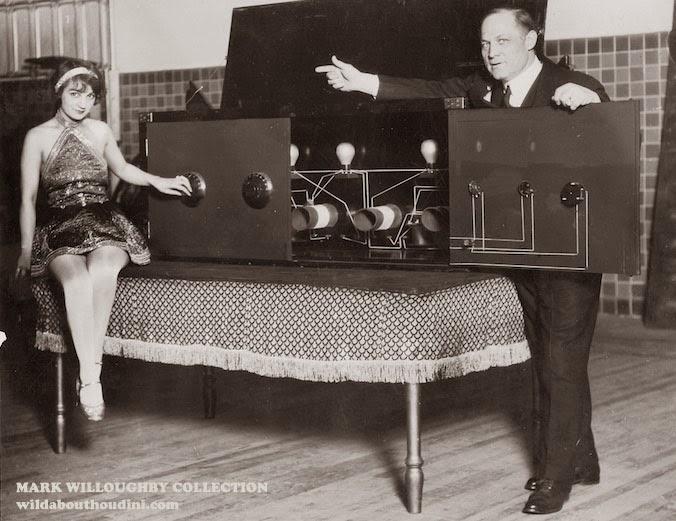
The interview is accompanied by the "Radio Girl" photo, which was also new to the Houdini world at this time. I wasn't yet a subscriber, but I can only imagine how exciting it must have been to receive this one in the mail.

Members of the Houdini Historical Center staff and board members are then introduced with a short biography of each. Readers are also informed that the museum's new poster reprints, Coliseum, Houdini in Kaiser Wilhelm's Court, Houdini in Russia, and Houdini in the Water Torture Cell are "hot off the press" and ready to ship.

Sid Radner devotes a large section of his "Backstage with Sidney Radner" column to a 1930 horoscope of Houdini that appeared in the book Your Future, A Guide to Modern Astrology by Sidney K. Bennett aka "Wynn." Sid wryly points out:

Considering that Wynn did not known when or where Houdini was born, missing the date by 13 days and the location by a few thousand miles, it is quite remarkable how accurate the horoscope is. Or can we attribute Wynn's skills to the fact that he was doing the horoscope after Houdini's death?

Sid continues with the news that the daytime soap opera The Bold and the Beautiful has a storyline in which two characters move into Houdini's house...in Beverly Hills? He notes that the new Arnold Schwarzenegger movie The Last Action Hero has "an important Houdini connection." He concludes with the news that the BBC is in Appleton shooting a Houdini documentary to be broadcast in England in October.

Mystifier
Volume 3, Number 3
Third Quarter, 1993
6 pages

Contents:
Master of Physical Conditioning
Recollections of Houdini
Introducing HHC Staff, Board Members
Order Houdini Posters from Museum Shop
Backstage with Sid Radner

Thanks to Jay Hunter for supplying me with a scan of this issue. If anyone is willing to part with an original, this is one of only two issues that I do not own, and I'd love to complete my set.


Related:
Monday, May 7, 2018

Mystifier, First Quarter 1993

Continuing my look back at Mystifier, the quarterly newsletter of the Houdini Historical Center that ran from 1991-2003.


The First Quarter 1993 Mystifier kicks off with the reproduction of an article called "Card Tricks Exposed" from The New Penny Magazine (No. 120, Vol. X). It doesn't provide a date, but it appears to be from very early in Houdini's first european tour (similar to his "Wizard Exposed" articles of 1901).

I recently asked the "Mystical Man" if he would mind enlightening the readers of The New Penny Magazine as to how certain tricks are performed–those shown in public, and others indulged in by "sharps" at card tables. He readily responded to this invitation, and also consented to go before the camera in order to illustrate pictorially his various explanations. These photographs, I think it will be admitted, are quite unique, and form a remarkably interesting feature of the expose.

This is actually a pretty major exposé, revealing card moves practiced by card sharps and also magicians. The newsletter notes that this article comes from Houdini's "jail breaker" scrapbook, given to museum by Tad Ware of Excelsior, Minnesota.

The newsletter continues with a reproduction of an unintentionally amusing article from a 1913 Variety headlined, "Magic on Decline". The article rings the death knell of the magic art and puts the blame on exposure acts and "the lack of a master performer of the calibre of Herrmann or Kellar." (Ah, hem.)

Many magicians have given up the fight and entered other occupations. At this very time New York has two former magicians of high ability performing in its first class theaters. One is a dancing comedian and the other a comic ventriloquist. I know another magician upon whom great hopes were placed, but he has given it up and is studying law.

Also reprinted from 1913 are two oddities: "Some Passing Thoughts" by George Schulte, and "What to Wear While Performing Magic Stunts" by Harry Palmer, both from The Sphinx.

In his "Backstage with Sidney Radner" column, Sid praises Frank Koval's newly published Illustrated Houdini Research Diary. He also states that "Ken Silverman is writing what I predict will be the most complete biography of Houdini to date." And he says Pat Culliton's Houdini's Strange Tales and accompanying cassette tape are "first class all the way."

Sid goes on to say that his interview with Dorothy Young has to be postponed to the next issue due to the death of Dorothy's husband in December. He also promises to reveal a photo of Dorothy coming out of the Radio of 1950 illusion from the collection of Manny Weltman. At the time, that was an unpublished image. He finishes by announcing his upcoming visit to the Library of Congress and librarian John Higbee. Organizing the McManus-Young collection, which he complains "is not what the magic fraternity would like", appears to have been one of Sid's major efforts at this time.

Mystifier
Volume 3, Number 1
First Quarter, 1993
6 pages

Contents:
Looking Through Scrapbooks
New Houdini Books at Museum Shop
Magic on Decline
Some Passing Thoughts
Fashion Tips for Magicians
Backstage with Sid Radner

Thanks to Gary Hunt of Handcuff Queens for supplying me with this issue. 


Related:
Saturday, April 21, 2018

Mystifier, Fourth Quarter 1992

Continuing my look back at Mystifier, the quarterly newsletter of the Houdini Historical Center that ran from 1991-2003.


The Fourth Quarter 1992 Mystifier is a standout issue in that it reprints a full account of a challenge packing crate escape at the Zoo-Hippodrome in Glasgow in 1904. This challenge had an interesting added element, as you can read below:

During the day representatives of the firm had visited the Zoo and complained that there was a trap door on the stage. They proposed to erect a platform on which the packing case should be placed. To that Houdini had no objections, so he called upon the carpenters present to proceed to business, and the band played. Four tradesmen immediately threw off their coats. Long stout beams were dragged on to the stage, and they set to work with hammer and nails to baffle, if possible, the daring performer. The music of the orchestra was almost drowned in the noise of the active woodworkers. By and by the platform was completed. It was about a couple of feet high, supported by struts, so that a clear view of the stage floor could be obtained underneath.

The newsletter continues with an article by Tom Boldt about the newly opened La Maison de Robert-Houdin-Centre National des Arts de la Magie et de I'illusion in Blois, France. A Christmas greeting from Houdini's December 1907 issue of the Conjurer's Magazine is reprinted along with "Helpful Hints for Young Magicians Under Eighty" from the August 12, 1908 issue.

Regular contributor Dr. Morris N. Young then provides an interesting article about the books Houdini traveled with on tour in 1911. Among the some 19 mentioned books that Houdini felt were important enough to keep with him at all times are curiosities such as The International Scientific Series Animal Locomotion and Grimms Fairy Tales.

In "Backstage with Sidney Radner", Sid reports on the recent discovery of a large cache of uncatalogued Houdini material in the Library of Congress. Incredibly, this material had remained unboxed since its arrival in 1927! Sid talks about meeting Dorothy Young for the first time at the 1992 Official Houdini Seance at the Houdini Magical Hall of Fame. He says that the BBC and National Geographic are both working on Houdini documentaries. Sid also notes that the first volume of Frank Koval's Illustrated Houdini Research Diary -- "an absolute must for Houdini researchers" -- is available from the museum shop for $20. So too is Pat Culliton's Houdini's Strange Tales.

Sid finishes by reporting that David Copperfield visited Appleton and the Houdini Historical Center on November 19, 1992, and "gave us a very generous plug during his performance in nearby Neenah, for which we give great thanks."

Mystifier
Volume 2, Number 4
Fourth Quarter, 1992
6 pages

Contents:
Looking Through Scrapbooks
Center to Honor Robert-Houdin
Queries
Houdini's Bookshelf on Tour
Helpful Hints for Magicians
Backstage with Sid Radner

Thanks to Gary Hunt of Handcuff Queens for providing me with this issue.


Related:

Saturday, June 18, 2016

The Greatest: Houdini (1999)

If the 1970s was a boom time for Houdini books, then the 1990s was the heyday of Houdini documentaries. This was largely due to the proliferation of cable channels and the success of A&E's "Biography" series (which did a Houdini episode in 1994). Soon every history and entertainment channel had a similar  weekly documentary series, and a Houdini episode was de rigueur.

One of those Houdini documentaries appeared on TLC's short-lived series The Greatest. Produced by Whatabout Me Entertainment, the 60 minute doc aired on August 5, 1999. It includes interviews Ken Silverman, Penn & Teller, Patrick Culliton, Dorothy Young, Joe Fox and The Pendragons. Jim Bentley, who also co-produced, plays Houdini in several well done dramatizations.

It's a good documentary with some great Houdini footage and Bentley's reenactments make it a standout. On the downside, it gives us the acid-on-dress version of the Houdinis courtship, exposes the Milk Can, and makes no mention of Houdini's movie career.

The Greatest: Houdini was never released on VHS or DVD, and is one of the few '90s docs that has not yet found its way onto YouTube. So I've taken the liberty of uploading my own recording of the original 1999 broadcast. YouTube monetized it for music copyright holders (so you will see pop-up ads), but it looks like they are letting it remain, so I'm happy to share it here. Enjoy.


You can see more videos like this at the WILD ABOUT HARRY YouTube Channel.

Related:

Thursday, February 25, 2016

Houdini on Mysteries & Scandals

Here's the Houdini episode of the E! Entertainment series Mysteries & Scandals. This first aired on October 26, 1998 and includes interviews with Ken Silverman, Penn & Teller, Lance Burton, Dorothy Young and more.

UPDATE: Unfortunately, this video has been removed.


Related:
Sunday, November 2, 2014

The Official Houdini Seance 2014

This year The Official Houdini Seance was held at the Glen Magna Farms in Danvers, Massachusetts, the country estate owned by the Danvers Historical Society. Once again, it appears to have proven itself to be the Rolls Royce of Houdini seances, and another great success for co-directors William Radner and Thomas Boldt.

Pre-seance entertainment was provided by magicians Evan Northrup and Eric Robitaille, who both came via the recommendation of Vince DeAngelis, owner of Diamond's Magic, who also helped organize this year's event. Dr. Gene and Jennifer Yee closed the evening with Metamorphosis. "They were great," says Bill Radner. "The viewers were blown away and clapped with intensity seldom seen at this type of event."

The medium this year was Anastasia Zimeris from Salem who, according to Bill, "captivated the audience with emotion." The Inner Circle was made up of: Tom Boldt; William Radner; Vince DeAngelis; William Kalush; Evan Northrup; Fred Pittella; Eric Robitaille; Robert Somerdin; and Jennifer Yee.

While Houdini himself didn't attend, Bill felt this was a seance to remember: "Glen Magna is on a farm away from civilization and it created an intimacy that recreated the feeling that existed in the early 1900's. We had a cozy room occupied by a little over 30 people eager to indulge in the aura of Houdini. The regular Inner Circle members were not able to make contact with Houdini, but Tom Boldt and I along with Rob Somerdin, Fred Pittella, Jennifer Yee and Bill Kalush knew Houdini (and my father) would have been proud."

Here are some photos of the evening courtesy of Bill Radner and Robert Somerdin.

Psychic Medium Anastasia Zimeris.

Heavy hitters: Rory Feldman, Robert Somerdin, Fred Pittella, Bill Kalush.

Pre-seance magic by Evan Northrup.

Escape artistry by Eric Robitaille.

Will the seance cuffs finally open?

Are you here, Harry?

Gene and Jennifer Yee close the evening with Metamorphosis.

Ghost hunters channel lunch at Turner's Seafood in Salem.

"Eyes of Memory Never Sleep."

You can read a detailed account of the evening in The Salem News: Houdini's spirit summoned to Danvers. Also read this article in the Appleton Post Crescent about seance co-director and devoted Houdiniphile Tom Boldt: Boldt CEO spends Halloween in search of Houdini.

Official Houdini Seances past:

Tuesday, October 28, 2014

Official Houdini Seance will remember Larry Weeks

Larry Weeks, who passed away this month at age 95, was a regular at the Official Houdini Seances. Now seance organizer William Radner sends over this photo of Larry, Dorothy Young, and Sidney Radner taken at the New York seance several years ago.


Says Bill, "The recent death of Larry Weeks along with Dorothy Young and my father in 2011 is a real loss to the world of Houdini followers. The "Official Houdini Séance" will dearly miss the last living Houdini enthusiast that actually remembered seeing him perform when he was only four years old. Over the last half century he has been a loyal Houdini Inner Circle Séance Member who has attended a good majority of the east coast events. He always added something special and was a great story teller who could captivate an audience. Tom Boldt and I, along with Fred Pittella, will most certainly give tribute to Larry in the upcoming Official Houdini Séance in Danvers MA next Friday."

The 2014 Official Houdini Seance will be held at Glen Magna Farms in Danvers, MA, the country estate owned by the Danvers Historical Society. Click here for full details.

Thursday, April 17, 2014

Hardeen dials in Radio of 1950

Here is a magnificent unpublished photo of Hardeen performing Houdini's "Radio of 1950" illusion. This comes from the collection of our good friend Mark Willoughby and there is a lot to love about this image.


First off, I'm struck by how much Dash looks like Houdini in this shot. It it wasn't for the hair, you could almost mistake this for Houdini. This is also the only photo I know of that shows the inside workings of the "radio" apparatus (I'm guessing those light bulbs were illuminated or even blinking). Finally, the assistant here is Hardeen's daughter, Gladys Hardeen (at least that's what it says on the back of the photo), and it's a rare shot of her.

I don't know much about Gladys Hardeen. Her passport application says she was born February 15, 1902 and Genii reported her death in Daytona, Florida on February 17, 1966. But according to Jon Oliver, Dash and Elsie Fozzard married in 1904 (this info came direct from Hardeen's son, Harry Houdini Hardeen). Was Gladys a stepchild? She later assisted Douglas Geoffrey aka Hardeen Jr.

Houdini developed Radio of 1950 for his full evening show of 1925-26. A review of Houdini's first performance of his full evening show in Baltimore called the effect "Radio 1925." Hard to know if this was a mistake or if Houdini later changed the name. In her 2003 booklet, Touring With Houdini, assistant Dorothy Young described how the illusion was staged:

Radio was quite new in 1925. The first commercial station KDKA, had gone on the air in Pittsburg, Pennsylvania just five years earlier. So a magic trick about radio was a very up-to-the-minute feature.

To present the illusion of Radio of 1950, Houdini walked around and behind an empty table in the center of the stage so the audience could see there were no mirrors underneath. Then two assistants put the "radio" on top, completely filling the table.

"I would like to present my original conception of what radio will be like in 25 years." Houdini said, "Tune in to any station and get the girl you want. No, gentlemen, it is not for sale."

He opened the entire front, which consisted of two doors, and removed a panel that held various coils and transformers and large glass tubes the size of light bulbs that were used before transistors were invented. The audience could see there was nothing else inside. He replaced the panel and closed the front.

"Now," he said, "we will tune in Pittsburg Station KDKA." He began twisting the dials. Suddenly a voice from the radio speaker announced, "Miss Dorothy Young, doing The Charleston." That was my cue. As the orchestra started playing that popular jazz dance, I threw open the lid, popped up my head at one end and kicked one leg up in the air. I kicked the other leg, clicked my feet together, jumped up, and curtsied. Houdini opened the front of the radio, lived me down, and I went into a wild Charleston as the audience laughed and applauded.

Hardeen inherited the effect after Houdini's death and featured it in his own show. After he died, it was put up for sale for $125 along with other Hardeen-Houdini apparatus. Today the whereabouts of the Radio of 1950 illusion is unknown.

Below is a shot of Houdini himself doing Radio of 1950, showing the appearance of "Radio Girl" Dorothy Young. And if you're dying to know how this trick was done, check out Patrick Culliton's Houdini The Key (page 402). He gives a very good explanation of the method.


Thanks to Mark Willoughby for sharing this special photo and for the intel on Gladys Hardeen.

Related:

Monday, January 6, 2014

When Harry met Bessie


There are multiple versions of how Houdini and Bess met. Bess told her version in the book Houdini His Life Story (1928). According to Bess, Harry was performing at her school and accidentally spilled acid on her dress during a magic trick. He had his mother make her a new dress, and then took her on a date to Coney Island. But when he kept her out too late, Bess became panicky that she would get in trouble. Houdini then gallantly proposed. This version is now considered to be pure fiction, but it does make for a cute short film (below).


The second version was told by Houdini's brother, Hardeen, and first appeared in the 1959 biography Houdini The Man Who Walked Through Walls by William Lindsay Gresham. In Dash's version, Bess was working as a fellow performer in Coney Island with The Floral Sisters when he and Harry were performing as The Brothers Houdini. Dash dated Bess first; but then made the mistake of introducing her to his charismatic older brother. A quick courtship and proposal followed. This version is generally accepted to be the truth, and has evidence in the form of two newspaper articles from the 1894 Coney Island Clipper which mention Harry and "Bessie Raymond" (her stage name).

But now here's a third version, this one from Houdini himself! The Handcuff King related this in his own words to the The San Francisco Call on Sunday, Sept. 1, 1907, in a lengthy biographical article by Arthur L. Price. Under the subheading, "Willing Wilhelmina", Houdini says:

I eloped with my wife from her school books: that was 14 years ago, and she was then just 16 years old. I was only about 20 and was working in a little Brooklyn theater, which she used to pass every day coming from school. Her name was Wilhelmina Rahner and she came about No. 9 in a family of 14 girls. 
I saw her passing the place one day and I said, "Hello." 
"Howdy do?" said she. 
"I do as I please," I said. 
I asked if I might take her home after school. "Yes; but don't let mother see you," replied the girl, smiling a bit. 
She thought I was a real actor, a sort of Booth of Sir Henry Irving, and I didn't put her wise. 
"How'd you like to be an actress?" I asked her one day, knowing that most girls were crazy about the stage. 
She said she would like it. 
"Would you marry me?" I asked quickly. 
"I would if you'd ask me." 
"Well, I ask you." 
That was on Thursday; Saturday night she met me and we went over to New York City and were married in the city hall!

Like Bess' acid on the dress tale, this is almost certainly fiction. But it is a fun story and I love their banter. Now, why Harry felt compelled to make Bess only 16 is a mystery. Bess was actually 18 when they met and married. But the idea of a "child bride" was not unheard of at this time.

Of course, I've always been intrigued by what we might consider a fourth version that Bess told to Dorothy Young, possibly while under the influence of her favorite champagne. Bess confessed to Dorothy that she, "sold her virginity to Houdini for an orange."

Forbidden fruit?

Thanks to Tom Interval for finding and providing The San Francisco Call interview. Unpublished photo of Houdini and Bess made possible via our Hinson Endowment.

Wednesday, November 27, 2013

Amy Schreibman Walter considers 'Houdini's Women'

The Good Men Project has posted a new poem by Amy Schreibman Walter called Houdini's Women. The poem celebrates Bess Houdini and Dorothy Young, Houdini's assistant who died in 2011. Amy had previously written a poem about Young called, Radio Girl.

Houdini's Women will be included in a new collection of Amy Schreibman Walter's poetry due out in 2014.

You can read Houdini's Women at The Good Men Project. Amy has also shared some thoughts about the poem on her blog, Amy Schreibman Walter.

Tuesday, October 4, 2011

PBS Houdini doc released on DVD

The PBS American Experience documentary HOUDINI is released today on DVD. It was first broadcast on January 24, 2000, and until now has only been available on VHS.

Hosted by David McCullough, the hour long documentary was made by WGBH and includes interviews with David Copperfield, James Randi, Ken Silverman, E.L. Doctorow, Dorothy Young, and even artist Al Hirschman, who knew Houdini and talks about being invited to punch him in the stomach in his dressing room (and "hurting my hand").

One thing I really like about this particular doc is it doesn't fall into the familiar narrative trap of transitioning from his mother's death to his anti-spiritualist crusade, thereby lopping out 10 years of his life and his entire movie career. This documentary tracks his career accurately. This documentary also features several unpublished photos, including a shot of Houdini standing in his Milk Can in handcuffs that I've never seen before (below).


HOUDINI can be purchased from Amazon.com or the Shop PBS website.

Saturday, April 2, 2011

Dorothy Young remembers her days with Houdini

On April 6, 2000, Rhoda Newman of the Monmouth Library interviewed Dorothy Young as part of the library's Remembering the 20th Century: An Oral History of Monmouth County project. It's a wonderful interview filled with interesting remembrances from Dorothy, who passed away on March 20 at age 103.

Here is an excerpt from that interview in which Dorothy talks about her experiences with the Houdini roadshow. I especially love the story of her and Bess smuggling booze over the border from Canada. That's our Bessie!

Ms. Newman: And you were how old at this point?

Ms. Young: Seventeen. And, I went to the Longacre Theatre up at 48th Street and Broadway, and when I arrived the stage was full of girls auditioning. I saw two men down in the Orchestra viewing the audition. I had no idea who they were. One was Houdini and the other was his manager, Mr. Smith. I was about the last one to audition. I did a Charleston. And they chose me right away and took me over to their lawyer over on 44th Street. I called Mrs. Houdini "Mrs. H." Sometimes an interviewer would say to me, "When you are so close, why do you call her Mrs. H?" I said a seventeen year old girl is not about to call a mature woman by her first name. So, she was always Mrs. H. to me. She took me over to choose material to make my outfit, my costume, and then I signed the contract. I dashed to my father and said, "I'm going to dance on Broadway," and he said, "No way." I went to Houdini. They must have been flabbergasted because they were to open in one week, and they had gone through these auditions. Anyway, I told them my father and mother wouldn't allow me to. They asked to speak to them, and they convinced my parents that they would look after me as their very own daughter, which they did. It was a wonderful, wonderful year. Mrs. H. was a second mother to me. She taught me how to sew and put on makeup. We spent our days together. I've done five documentaries about Houdini. One thing they never put in is that I say Houdini was a very kind, compassionate man. They liked to picture him as egotistical and temperamental. And, my year with them was really, really wonderful. Another thing they never put in: he had been famous for about thirty years, but his dream, his project dream was to always star in his own production on Broadway, and this was his dream come true. Well, we opened, and my father arranged for me to live with a widow with two daughters for the week I would be in New York, before leaving to break in the show at Hartford, Connecticut. And, one of the daughters said, "Oh I'm going to a party tonight, and would you like to go?" I said, "Surely." I remember it was the day I had my costume fitted up at 103rd Street at Houdini's home.

Ms. Newman: Can you describe the costume?

Ms. Young: Oh, I have pictures of them. They were very, very scanty. I'll show you a picture of them later. And, Mrs. H., who was a wonderful designer, always made all of hers.

Houdini and his roadshow girls. Young is second from the right.

Ms. Newman: Where they silk? And what colors?
Ms. Young: Oh, beautiful bouquets and metallic. So, after I had my costume fitted, I jumped in a taxi at 103rd Street. A young girl and I went down to The Village where the party was to be. The girl introduced me around. We danced in a club. I met this man. He seemed very, very sophisticated to me. I guess he was around thirty. He said, "Oh you are so young to be in New York all by yourself. You need a big brother to take care of you." I didn't care for him. So, he was smart enough not to ask for my phone number, but he asked the girl I was staying with for her phone number. And he called up the next day and took us both to lunch. For the whole week, he took me to all the best places in New York City. And during the whole year I was with Houdini, he called me once a week. On the way to Hartford, I still didn't know who Houdini was. They had a drawing room and I had the parlor. Houdini came out with a deck of cards and he did all of his card tricks for me. And then he proceeded to tell me a lot about his childhood, which was very interesting. Well, when we arrived at Hartford, it was on a Sunday night. And Rachmaninoff had a concert there, and we went directly to the theatre to unpack. I remember I stood in the wings and listened. And I was so thrilled. And when he came out, I guess he wondered why a young girl like that would just be standing there listening the whole time. It is a very happy memory having had a visit with Rachmaninoff. He was very tall and slender. I remember when he said goodbye, he patted my head. After I fulfilled my year contract, of course, Houdini wanted me to stay on.

Ms. Newman: What did you do as part of the Houdini act?

Ms. Young: At first they had a very beautiful curtain made of mementos of things they had been given in Europe, and this curtain was very beautiful. Mrs. H. was dressed as Marie Antoinette, and I her escort. Mrs. H came out on one side and I the other. We joined in the center and did a little minuet, and pulled back the curtains. Then a big stage was there, and a black back drop and Houdini came out in his magnificent entrance. Two years ago, Harvey Keitel, an actor, I didn't know who he was, he was doing an impersonation of Houdini, and he sent his limo down for me to go up and have dinner with him, and I did Houdini's entrance for him about twenty times, and he studied the mannerisms. Houdini was not a tall man. He was very muscular, and the way he carried himself, you didn't think of height. He was dressed in full dress, immaculate. And the jacket was designed that he could remove the sleeves from the elbow down so that while he worked, you could see that he wasn't concealing anything. Well, the show opened with the proverbial magic thing with the scarves and the birds and all that. Then Mrs. H. had her famous, famous trunk trick. It's now called "Metamorphosis." Houdini purchased it when they were young in Coney Island for $25.00 from a retiring magician, and now that has become so famous. And Mrs. H. must have been almost, I bet she was, no she must have been at least fifty or fifty-two, but from the back of the stage she looked like sixteen, the way she was made up in her little gown. She kept herself beautiful. My first number was a Radio Girl. Collins and Vickory, his two assistances, would bring out a large table. Houdini would go in back and show nothing underneath the table, no mirrors or anything like that. Then Collins and Vickory would bring out a big radio. And Houdini would open the doors, would prop them back and show there was nothing inside. He'd lift out a panel like tubes and things. Then he would close it up and tune in like, for instance, Pittsburgh would be KDKA, and it's say, "KDKA, Ms. Dorothy Young doing the Charleston." And, that was my cue to put my foot out, then the other foot, then I'd kick them together, jump up and do a curtsey.

Dorothy as the "radio girl"

Ms. Newman: You were inside the radio?

Ms. Young: Yes. Then Houdini would take me by the waist and lift me down, and I would go into a Charleston. And, my other number was called the "Slave Girl." The big stage was empty and there was just a pole in the middle of the big stage. And Collins would bring me out with my hands tied behind me. And I had a little skimpy burlap costume. And, Houdini would say, she has been a naughty girl, so I have to tie her up. So they tied me up to the pole from my throat down to my ankles. And then Houdini said, she has been naughty, so we will have to put her in darkness. He would press a button, and the curtain would fall to the floor. And I would come out in a beautiful butterfly costume on my toes and do a ballet number. And then another number I did: there was a big cabinet, and Houdini would walk through it and turn it around to show it was absolutely empty. Then, he would say presto, and Mrs. H. in a very beautiful elaborate costume, and myself, and Julia, his secretary, in an elaborate costume, and Kosher, in an elaborate costume, would all came out. And once in a while when Mr. Smith's wife would be there, we would add her to it. And, then the very, very exciting thing was Water Torture Cell. I think it was sad the way they made the movie about him dying in the water. The whole movie was terrible. Houdini would turn over in his grave. It was terrible. Well, Mrs. H. always stood in the wings. They had this large cabinet and Houdini would come out in swim trunks. They'd lift him up by his feet and lower him head first with his hands tied behind him and lower him in the tank. And then, to make it more dramatic, the orchestra would play, "Asleep In the Deep," which made it very dramatic. I stood with Mrs. H. often, and she said only once in their life, did he have to give the signal to be taken out. And, when I appeared at any magicians' conventions they always want to know what the secret was, of course. I would tell them I was sworn to secrecy.

Ms. Newman: You were aware of the secret, but were sworn to secrecy?

Ms. Young: Yes. The last half of his act was devoted completely to exposing spiritualism. He felt spiritualism was wicked; it preyed on poor people who'd spend their last dollar to hear the voice of their loved ones. And, he had a person we called the Reva woman who would visit the entire spiritualist, the mediums, and card people in the city before we would play. And then she would come to report to Houdini. We never could eat dinner before the show because we had to be as thin as possible. So, we always, Mrs. H., Kosher, and Julia, and Mr. Smith, Houdini, and I always had dinner after the show. And, in all those years, I never remember once Houdini showing any anger or anything. Mrs. H. was a real cut up. She was a lot of fun, and she, when we were playing Buffalo, she suggested that we go to rent a limo and go over to Canada. We went through the Mist and everything.

Ms. Newman: Niagara Falls?

Ms. Young: Yes. She was a lot of fun. And just before we left the border, she said, "Let's get a bottle of liquor and see if we could smuggle it in." Well, that night at dinner, somehow we joked about it.

Ms. Newman: This was during prohibition?

Ms. Young: Oh yes, and Houdini snapped, "Do you realized the publicity we would have had if they had caught you bringing liquor in?" And that is the only time I ever heard him express anger. He was just the most wonderful compassionate person to work for. The last act involved a very famous medium called Marjorie. He dressed up, he put on a wig and a cane, and dressed up as an old man, and went to Marjorie and told them to get in touch with the spirit of a loved one. And he copied her séance completely in the last act of the show. He would ask people to come up who would invariably be interested in spiritualism. And, they would sit at a table, and they would ask to speak with a loved one. And then, Houdini would go through the seance, and it really was weird to see. And then after he did it, he broke it apart to show the whole audience how it was done.

Ms. Newman: He would show that it was a fraud.

Ms. Young: Yes. Houdini was like a father to me, but never personal, you know. Before I left the show he said to me, "Dorothy, did you ever wonder why you were chosen over 200 girls?" I said, "No." He said, "Mr. Smith and I are opposite personalities, and you appealed to both of us. And we knew you were the one that we wanted." As I look back, I think it might have been in the first place all of those girls were typical Broadway girls, and they weren't going to have someone like that travel with them closely. It was a close unit. That is one thing, and the other thing, I was shorter than Houdini, and most of them were taller. That was my experience with Houdini.

Ms. Newman: So you had a year's contract and that was the end?

Ms. Young: Yes. And he died two months after. Two young boys were visiting him backstage. They had seen the show, and Houdini had had a pain and the doctor didn't diagnosis it right. His appendix was in the center rather than at the side. He had appendicitis, but the doctors didn't diagnose it that way. And then, one of the boys said, "You mean you could withstand a punch with all my might?" And Houdini said, "Yes." What the boy didn't realize was that Houdini had to prepare himself first, and the boy struck him, and his appendix burst. So, they rushed him to the hospital, but it was too late. He fought for a whole week. He thought he could lick it, but he couldn't, and finally he had to give up.

Ms. Newman: Did your father ever see you perform?

Ms. Young: Oh, yes, when we were in Pittsburgh, my father was in the audience, and Houdini asked him to stand up. And when I was in Chicago, my Grandmother Caldwell was there, and we were sold out. I don't know. Somehow or another, he got her a seat in the first row center. And when I took her back stage to meet Houdini, Houdini kissed her forehead and said, "Now I know where Dorothy gets her charm." (Laughs)

Ms. Newman: He does sound like a dear man. Were there other people traveling?

Ms. Young: No. We were a close unit. Collins was his main assistant, and Victory was his helper. Mrs. H., Houdini, Julia, Kosher, Mr. Smith, and I. That was our entourage.

Ms. Newman: And you went across the country.

Ms. Young: Oh, yes. And we played Broadway twice.

Ms. Newman: Were these one night stands?

Ms. Young: Oh, no, I think we played Chicago four weeks.

Ms. Newman: And you traveled by train?

Ms. Young: Yes, by train. I'd spend my day with Mrs. H. I don't remember what salary I had, but it must have been plenty, because I always stayed right in the next room to them, and I always had my breakfast sent in my room and I felt so sophisticated. I remember I had a black satin negligee with white marabous. And in those days, eating breakfast for one, they would wheel it in on a whole table. Now days if you had breakfast for one, they'd just bring it on a tray. I remember I would drape myself and feel so grown up.

Ms. Newman: What year was this?

Ms. Young: 1925 and 1926. So, that was my story with Houdini.

CLICK HERE to read the entire interview at the Monmouth Library's "Remembering the 20th Century: An Oral History of Monmouth County" website.

Translate